
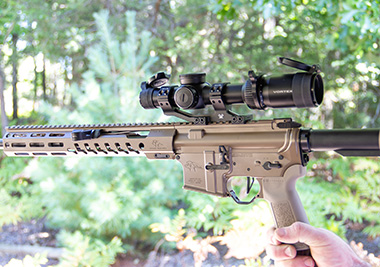
In modern rifle design, control placement matters. The location and function of a charging system affect how a platform feels, how cleanly it integrates with optics and accessories, and how intuitive it is for the end user.
For a lot of shooters, rear charging feels normal simply because it is what they have always known on the AR platform. But that familiarity doesn’t always make it the best or most intuitive layout. One reason side charging continues to attract attention is that it feels more natural to people coming from other rifle designs, where operating the action from the side has long been standard. In that sense, the appeal of side charging isn’t novelty. It is about bringing a key control point into a location that feels more immediate and more logically placed.
That same conversation can also raise questions about other traditional elements, like forward assist, for example. Some of us rarely use it, while some of us prefer having it there as part of a “complete” rifle build. The bigger point is that these features should not be treated as identical questions. A side charging AR15 changes how the user interacts with the platform, while forward assist is better understood as a related design consideration. Taken together, they say something about how intentional the overall receiver design really is.
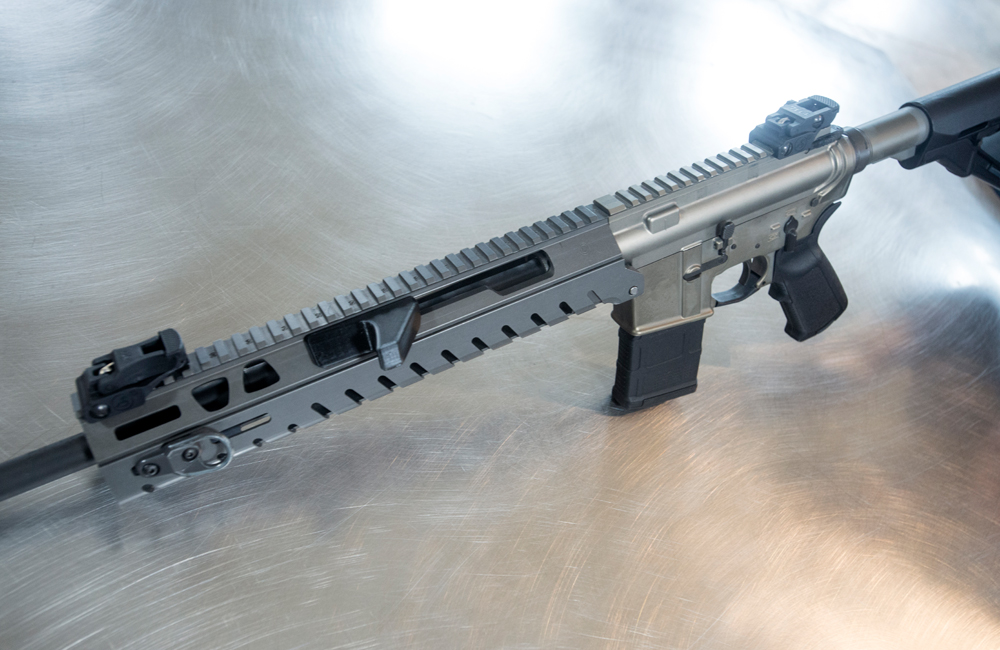
Some emphasize familiarity and tradition. Others focus on a streamlined AR-15 build, movement, accessibility, or just a more refined control layout. As rifle platforms continue to evolve, it is worth taking a closer look at how these systems differ and why side charging has become an increasingly attractive direction in modern design.
Understanding the Key Control Elements
At a basic level, these features all relate to how the user interfaces with the action of the firearm.
Rear charging places the charging control at the rear of the upper receiver, a format many shooters already know well from legacy AR-pattern systems.
Side charging moves that interaction point to the side of the platform, creating a more direct and accessible control surface.
Note: Forward assist is a separate feature, typically located on the receiver, intended as a supplemental manual input within the action system.
Although these elements are often discussed together, they serve different roles in the overall user experience. The real question isn’t simply which one exists on a rifle, but how the entire control architecture works together.
Why Rear Charging Became So Common
Rear charging systems are familiar for a reason. They have been part of established rifle layouts for decades, and many shooters appreciate the consistency that comes with a traditional format.
That familiarity brings a few advantages:
- Established manual of arms for longtime AR users
- Widespread aftermarket compatibility
- A well-known layout that many shooters already expect
At the same time, familiarity does not always equal optimization. As optics, mounts, suppressor-ready setups, and accessory packages have become more common, rear charging positions can feel less convenient within a modern configuration. What worked well in a simpler setup can become less elegant when additional equipment is added around the receiver area.
Where Rear Charging Can Feel Limited
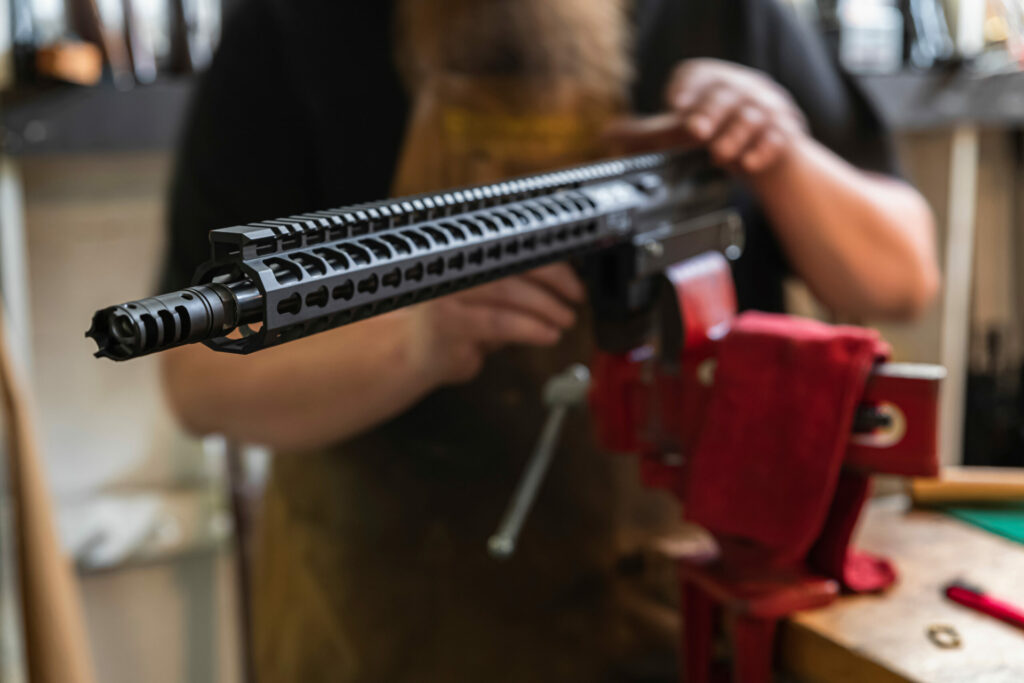
A rear-mounted charging interface occupies a part of the platform that often becomes crowded. Large optics, magnifiers, backup sights, and mounting solutions can all compete for space and hand access near the rear of the receiver.
From a design standpoint, this creates friction in three ways.
1. Access Around Optics
As sighting systems have grown more sophisticated, the rear portion of the rifle has become more visually and physically busy. Reaching past or around mounted equipment can feel less intuitive than a more open control location.
2. Less Direct Interaction
Rear charging often requires a motion path that feels indirect compared with a side-mounted interface. For some users, the rear location is simply not the most natural place to engage a major control.
3. Legacy Layout Constraints
Rear charging persists largely because it is deeply tied to legacy platform architecture. That does not make it obsolete, but it can limit how far the design evolves when compared with systems built around a different control philosophy from the start.
The Case for Side Charging in Modern Rifle Design
Side charging stands out because it rethinks how the user meets the platform. Instead of keeping a key control tucked at the rear, it moves that interaction to a more immediate and accessible location.
That shift may seem simple, but it changes the overall feel of the rifle in meaningful ways.
More Natural Control Placement
A side charging interface is easier to locate visually and physically. It brings a primary control into a position that feels more deliberate and straightforward, especially in platforms designed around that feature from the beginning.
Better Spatial Harmony with Optics
One of the strongest arguments for side charging is how well it coexists with modern sighting setups. By relocating the charging interface away from the rear-most area, the upper receiver can accommodate optics and related accessories with less interference in the user’s control space.
Cleaner Design Logic
Side charging often feels like a more purpose-driven solution rather than a workaround inherited from earlier layouts. For manufacturers focused on modern ergonomics, this can produce a rifle that feels more cohesive from front to back.
Side Charging Is More Than a Convenience Feature
It is easy to frame side charging as merely a preference item, but that undersells its role in the broader design language of a rifle. Control placement affects confidence, consistency, and how intuitive the platform feels in the hands.
A well-executed side charging system can support:
- A more accessible user interface
- Smoother integration with mounted accessories
- A stronger sense of mechanical intentionality
- A platform layout that feels designed for today’s configurations, not yesterday’s
In other words, side charging is not only about moving a handle. It is about improving the relationship between the user and the rifle.
Where Forward Charging Fits In
Forward charging takes the same design principle even further. Rather than keeping the charging interface at the rear, it positions the control farther forward in a way that can make the rifle feel more balanced and more intuitively organized.
From a product design perspective, this approach offers several notable benefits.
Improved Accessibility
A forward-positioned charging interface can be easier to reach within the natural working space of the support hand. That matters not just for convenience, but for the overall fluidity of the platform.
Better Compatibility with Modern Setups
As rifles increasingly serve as hosts for optics, lights, lasers, and other accessories, every control has to earn its place. Forward charging architecture helps free up the rear receiver area and reduces the sense of congestion around mounted equipment.
A More Deliberate Design Philosophy
Perhaps the most compelling advantage is philosophical. A patented forward charging architecture signals that the platform was designed around a modern control concept from the start. It reflects a willingness to rethink old assumptions and engineer around current needs rather than preserve legacy placements for their own sake.
An Aside: Rethinking the Role of Forward Assist

Back to our example of traditional rifle design elements from earlier, Forward assist has long been part of the conversation around receiver design, especially on AR-pattern platforms. Supporters often view it as a traditional component of a complete rifle layout. Others see it as a legacy inclusion that no longer deserves automatic placement in every modern build.
From a design perspective, the question is whether a control meaningfully contributes to the intended experience of the platform.
Modern rifle manufacturers increasingly ask:
- Does this feature align with the design’s core purpose?
- Does it justify the space it occupies?
- Does it simplify the user experience, or add complexity?
Those are useful questions because today’s best designs are rarely about adding more controls. They are about placing the right controls in the right locations.
Tradition vs. Optimization
A lot of firearm design debates come down to one central tension: tradition versus optimization.
Rear charging remains familiar because it is closely associated with long-established platforms. Forward assist belongs to that legacy conversation too, even if it raises a different set of questions. For many users, that familiarity has value. But modern rifle design is not only about preserving what users recognize. It is also about improving what users interact with.
Side charging represents that shift clearly. It challenges the assumption that traditional placement is always the best placement. And when paired with a forward charging philosophy, it points toward a more refined, user-centered direction for rifle controls overall.
Why More Manufacturers Are Embracing Side Charging Concepts
The growing interest in side charging isn’t happening by accident. It reflects larger trends in the industry:
- More rifles are being configured with advanced optics
- Users expect cleaner, more ergonomic layouts
- Product differentiation increasingly comes from thoughtful engineering
- Modern buyers are looking beyond tradition and asking how a rifle actually fits contemporary use
In that environment, side charging offers a compelling answer. It feels current. It feels intentional. And when integrated well, it can make a platform stand out for the right reasons.
The Bigger Picture: Control Layout as Product Identity
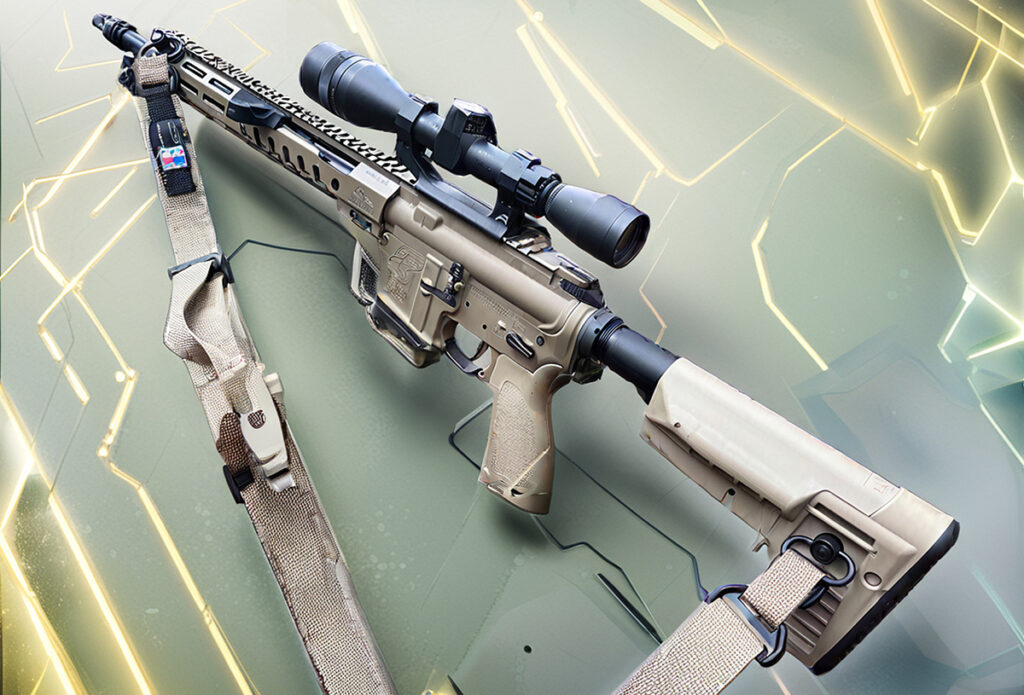
Charging systems are not just mechanical details. They communicate what a manufacturer values.
A rear charging system often signals continuity with legacy formats. A side charging system suggests a willingness to improve user interaction. A forward charging architecture goes a step further, reflecting a design philosophy centered on accessibility, integration, and modern control placement.
That matters for brand identity. In a crowded market, thoughtful architecture is one of the clearest ways a company can express innovation.
Final Thoughts
Rear charging and side charging remain at the center of the conversation around rifle controls, with forward assist still part of the broader discussion around platform design. Rear charging remains familiar and widely recognized. But side charging has emerged as a stronger fit for many modern platforms because it better reflects the realities of current optics use, accessory integration, and ergonomic expectations.
For manufacturers focused on forward-thinking design, the appeal is clear. Side charging is not simply a different location for a handle. It is part of a broader commitment to more intuitive control placement and a more deliberate user experience.
And when that concept evolves into a patented forward charging architecture, it becomes more than a feature. It becomes a statement about how the rifle was meant to be used, understood, and appreciated from the very beginning.