
The AR-15 has been picked over, poked at, and reimagined in just about every way you can think of—different barrel lengths, trigger styles, coatings, rail systems, even colors if that’s your thing. Some upgrades are worth every penny and every minute spent at the bench. Others? Just expensive cosmetics that look cool on TikTok and don’t do much when the bolt starts sticking or the sun’s in your eyes.
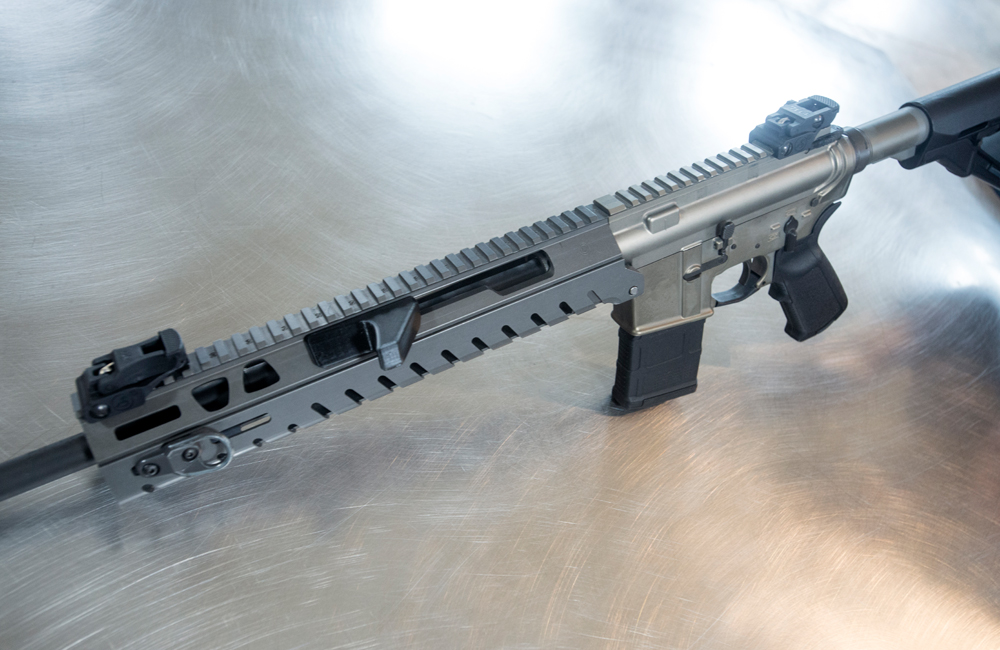
But every so often, you come across a change that genuinely alters the way the rifle handles, how it runs, and how you run it. Side-charging uppers fall firmly into that category. It’s not just another “why not” accessory to tack on because your BCG hasn’t felt loved lately. A side-charging AR changes how you interact with the rifle during every stage of use. It moves a critical function, the charging handle, to a more natural, more accessible place.
That’s not only for comfort, it’s for speed, consistency, and the ability to run the rifle under pressure without breaking position or hunting for controls. If you’ve ever tried to run a rear-charging AR with an LPVO or even a red dot with a long riser, you know the reach-around routine. And if you’re in a plate carrier or wearing layers of winter gear… good luck getting a clean pull without throwing your whole upper body out of alignment.
A side-charging AR-15 solves those issues. It brings the action to your support hand, where it should be. It’s more intuitive, more efficient, and frankly, it makes the rifle feel like it was built for you.
So if you’re building a fresh rifle from a stripped upper or thinking about finally retiring your beat-up mil-spec BCG in favor of something slicker, this is one of those upgrades that doesn’t just disappear into the build. You notice it the first time you rack it. You notice it again the first time you clear a jam without taking your eye off the target. And if you shoot regularly (drills, comps, night classes, pigs in the dark) you’ll probably start wondering why this wasn’t standard from the start.
So what does a side-charger really offer the AR-15 user? Is it a novelty for guys who already have 5 rifles and need something to tinker with… or is it an incredible upgrade that changes how you run the gun?
What Is a Side-Charging AR-15?
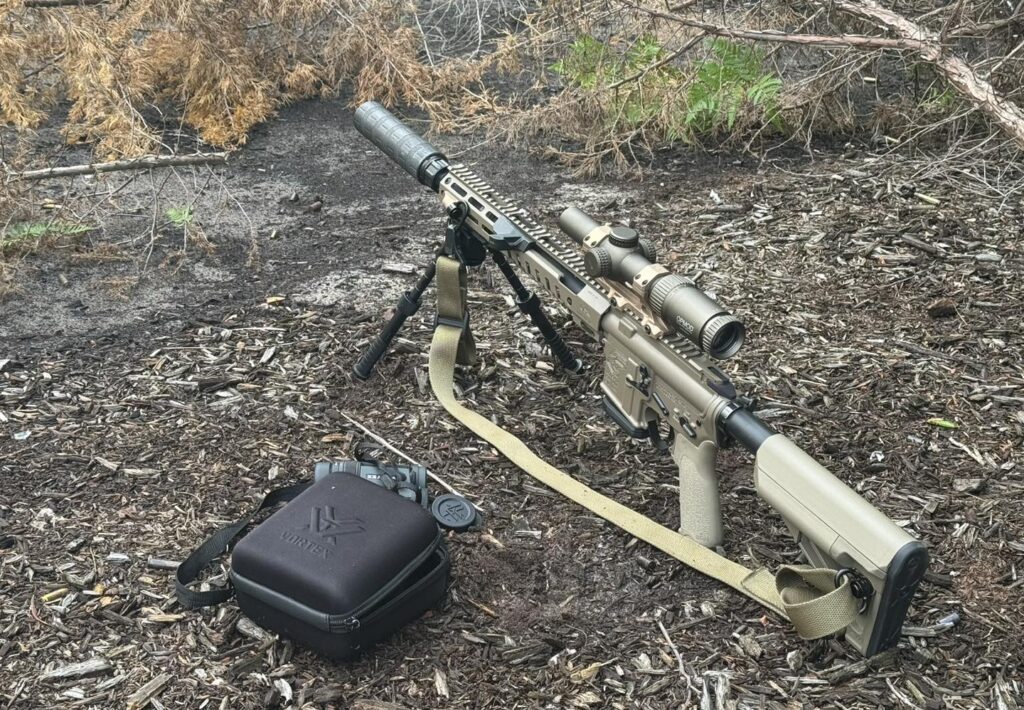
At its core, a side-charging AR-15 takes one of the rifle’s most awkward manual inputs—the charging handle—and relocates it to a much more user-friendly spot: the side of the upper receiver. Usually it’s on the left, though some setups offer ambidextrous options that can work better for left handed AR-15 users. Instead of fishing for that rear-mounted T-handle buried under your scope mount and sling snag zone, you now have a direct, lateral point of control—one that feels more like racking a bolt or running a traditional semi-auto rifle.
On a standard AR, you’ve got to reach back and yank that T-handle rearward. It’s functional, but not exactly ergonomic—especially if you’re running an LPVO, a magnifier, or just wearing gloves. Side-chargers fix that with a more intuitive, bolt-action-style motion.
Let’s be honest for a sec. The standard AR charging handle has always been the “well, it works” part of the design. It’s not a highlight. It was good enough, when iron sights ruled the earth and optics sat on carry handles. But as soon as you throw on a magnified optic with a decent-sized mount—or you start stacking night vision, laser modules, or a big chunky flashlight up front—that charging handle becomes a liability. You end up reaching over, under, or around your glass, breaking your cheek weld, and sometimes having to torque the rifle just to get a grip.
And if your hands are wet, gloved, or frozen from a January hog hunt—or stiff from late-season whitetail in a frosty treestand? Good luck getting consistent leverage.
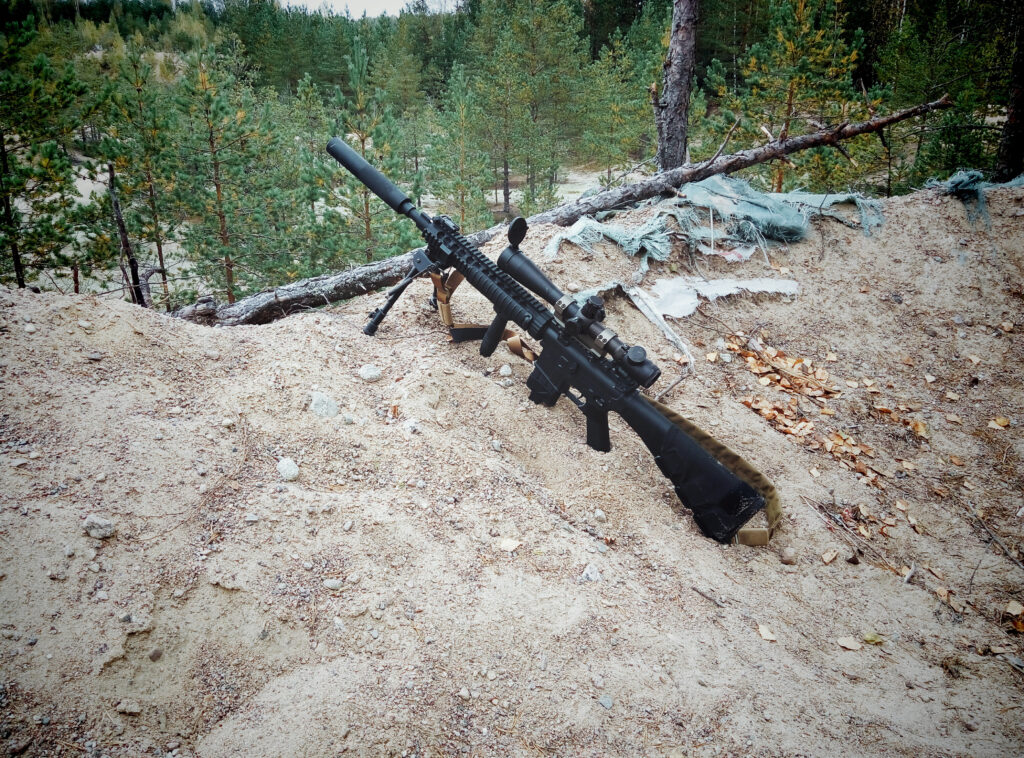
Instead of relying on a central ambi T-handle that’s inherently awkward, a side-charging upper lets you run the bolt from the side—like a rifle should. It’s bolt-action muscle memory for those who came up shooting bolt guns, or even AKs. Your support hand does the work, while your firing hand stays where it should: on the grip, finger indexed, eyes on target.
You keep your trigger, your buffer setup, your magwell—all the stuff you’ve already tuned to your liking. You’re just swapping the upper and bolt carrier group for a setup that makes the rifle run smoother in your hands.
Whether you’re doing a press check, seating the bolt after riding it forward, or clearing out a case that didn’t eject, it’s all right there. Smooth, fast, instinctive.
What About a Forward-Charging AR-15?
“Side-charging” and “forward-charging” get used interchangeably, because they’re describing the same core upgrade: moving the charging handle from the rear of the upper receiver to the side. We call it forward-charging because the handle sits further up the rifle, closer to your support hand position on the handguard. Functionally, it’s a non-reciprocating, side-mounted charging system that gives you all the same benefits—better ergonomics, faster manipulation, and less disruption when running optics or clearing malfunctions. So whether you hear “side-charger” at the range or “forward-charger” in our specs, you’re looking at the same type of AR-15 upgrade.
Two Flavors: Reciprocating vs. Non-Reciprocating
Not all side-charging systems work the same way. Here’s the quick breakdown:
Reciprocating Side-Chargers
These move with the bolt as it cycles. Every shot, you’ll see the handle rock back and forth. You can ride it, use it to help seat a round, and it gives you immediate feedback if something’s off.
Pros:
- Feels familiar to bolt-action or AK shooters
- You can force the bolt closed manually
- No separate internal parts—simple and direct
Cons:
- Can snag gear or gloves
- Not ideal for weak-side transitions
- More moving parts on the outside of your gun
Non-Reciprocating Side-Chargers
These stay put when the rifle cycles. You pull it once to charge or clear the gun, and that’s it—it doesn’t move again until you touch it.
Pros:
- Won’t smash your thumb or snag your gear
- Clean look and feel
- Safe and comfy on your support side
Cons:
- Slightly more complex internals
- Fewer manual override options in some models
Why Shooters Like Side-Charging Uppers
Better Ergonomics
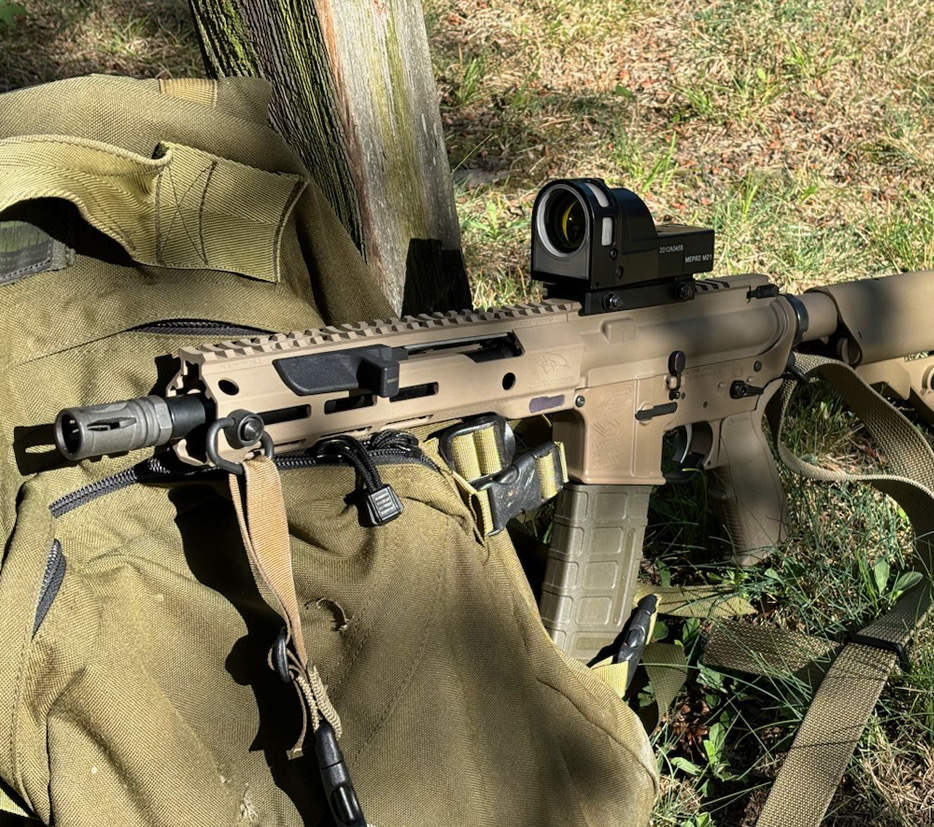
You can stay on target and keep your dominant hand on the grip. You stop breaking your stance. You stop pulling your head off the stock. You stop reaching under your optic like a contortionist in gloves trying to claw at a stubby latch hidden under your scope mount. When you’re standing, kneeling, or laid out prone behind a barricade, the charging motion becomes something you can do with minimal movement.
In competitive shooting, that means shaving precious seconds off malfunction drills or reloads. In training or defensive contexts, it means fewer variables and less fumbling under stress. And if you’re suppressed, which more and more of us are these days, a side-charger lets you stay in the gun and run the bolt without inhaling a face full of gas or rotating the rifle just to get leverage on a sticky case.
Faster Malfunction Clearing
Ever tried clearing a stovepipe or riding the bolt forward under pressure with a rear-charger? Even something as basic as checking the chamber or seating the bolt can be a pain with a standard rear-charger—especially if you’re scoped up or have gear in the way. And if you’ve ever dealt with a stuck casing, a short stroke, or just didn’t let the bolt slam all the way home, you know how awkward it feels fishing for that T-handle under your glass.
With a side-charger, it’s all cleaner. Your support hand just reaches up and runs it—no twisting the rifle, no shifting your grip, et cetera. If you shoot suppressed, shoot often, or just want less of a hassle when things go sideways, a side-charging upper removes friction from the process. Tap-rack becomes a straight pull with your support hand while your firing hand stays exactly where it should. No flipping the rifle over, no ducking your head to check the ejection port. It’s right there, ready when you need it.
If you’re running drills, shooting suppressed, or even just putting a lot of rounds downrange in a short window, the ability to clear a failure without turning your rifle into a Rubik’s cube is worth its weight in brass.
More Natural Feel for Bolt Gun Converts
For shooters who come from bolt guns, precision rifles, or anything built on the Remington 700 footprint, a side-charger just makes more intuitive sense. It’s tactile. It’s straightforward. It’s muscle memory you already have.
You’re not stuck learning an awkward AR-only charging motion, yanking on a T-handle behind your optic while dealing with a fire control group that was designed by committee in the ’60s.
Instead, you get something that feels deliberate. You run the bolt like a rifleman—not like someone trying to start a lawnmower mid-sight picture.
For folks bouncing between hunting rifles, DMRs, or bolt-action trainers and ARs, that continuity in movement matters. It shrinks the learning curve. It makes training simpler. And most importantly, it makes your rifle feel more like an extension of what you already know, not a new tool you’re still figuring out.
Things to Watch Out For
Side-chargers are solid upgrades—but like anything that tweaks the AR formula, there are a few things to be aware of going in. None of these are likely going to be dealbreakers for most shooters, but they’re worth thinking through so you don’t hit a snag halfway into a build.
Parts Compatibility
Most side-charging uppers aren’t plug-and-play with your standard BCG. Some require a notched bolt carrier or a proprietary cam pin cut to work with the charging mechanism. That’s not a bad thing—it’s just part of the design. In fact, it often means tighter tolerances and a more refined system overall.
If you’re building from scratch, just make sure you grab a matched upper and BCG set from a trusted brand. Or, if you’re piecing things together, do your homework to confirm compatibility.
Build vs. Buy (Know Your Comfort Zone)
Some side-charging setups are DIY-friendly, others aren’t. If you’re not experienced with building ARs, you might be better off buying a factory rifle or matched upper kit that’s already been tested.
Muscle Memory
If you’ve been running a standard AR for years, switching to a side-charger might feel a little weird at first. Clearing drills, reloads, and malfunction responses all shift slightly. Nothing huge—but worth practicing.
Critical Objectives: Side-Charging AR-15 Builds
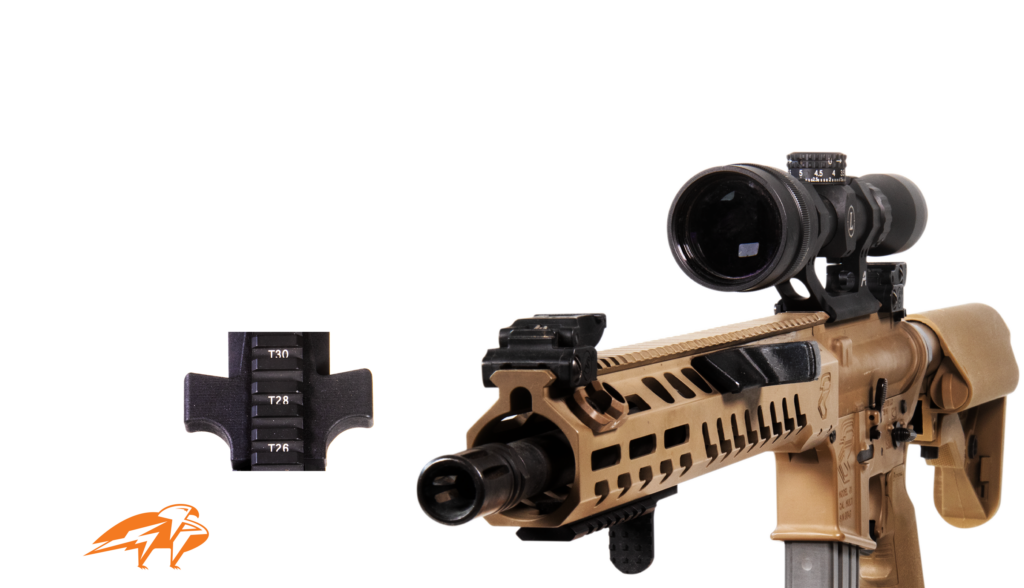
If you’ve ever wrestled with a rear charging handle under an LPVO, or tried to clear a malfunction with gear strapped across your chest, you already know the weak points of the standard AR layout. A side-charging AR-15 isn’t for “everyone”—but once you try one, it’s hard for many shooters to go back. If you shoot a lot, train often, or just want more control and better ergonomics, it’s a worthwhile upgrade. Just make sure your parts and upgrades match, your training adjusts, and you go with a brand that builds these systems right.
A well-designed side-charging upper—especially a non-reciprocating, forward-mounted system like the one from Critical Objectives—fixes those issues without reinventing the rifle. It keeps your firing hand where it belongs, keeps your eyes up, and lets your support hand handle the work from a natural position on the rail.
Whether you’re building for duty use, home defense, hog hunting, or just want something that runs smoother under pressure, a side-charging AR-15 gives you more control and functional headroom—while still playing nice with standard parts and attachments. It’s not a gimmick. It’s just a better way to run the gun.